
Memorial Plaques


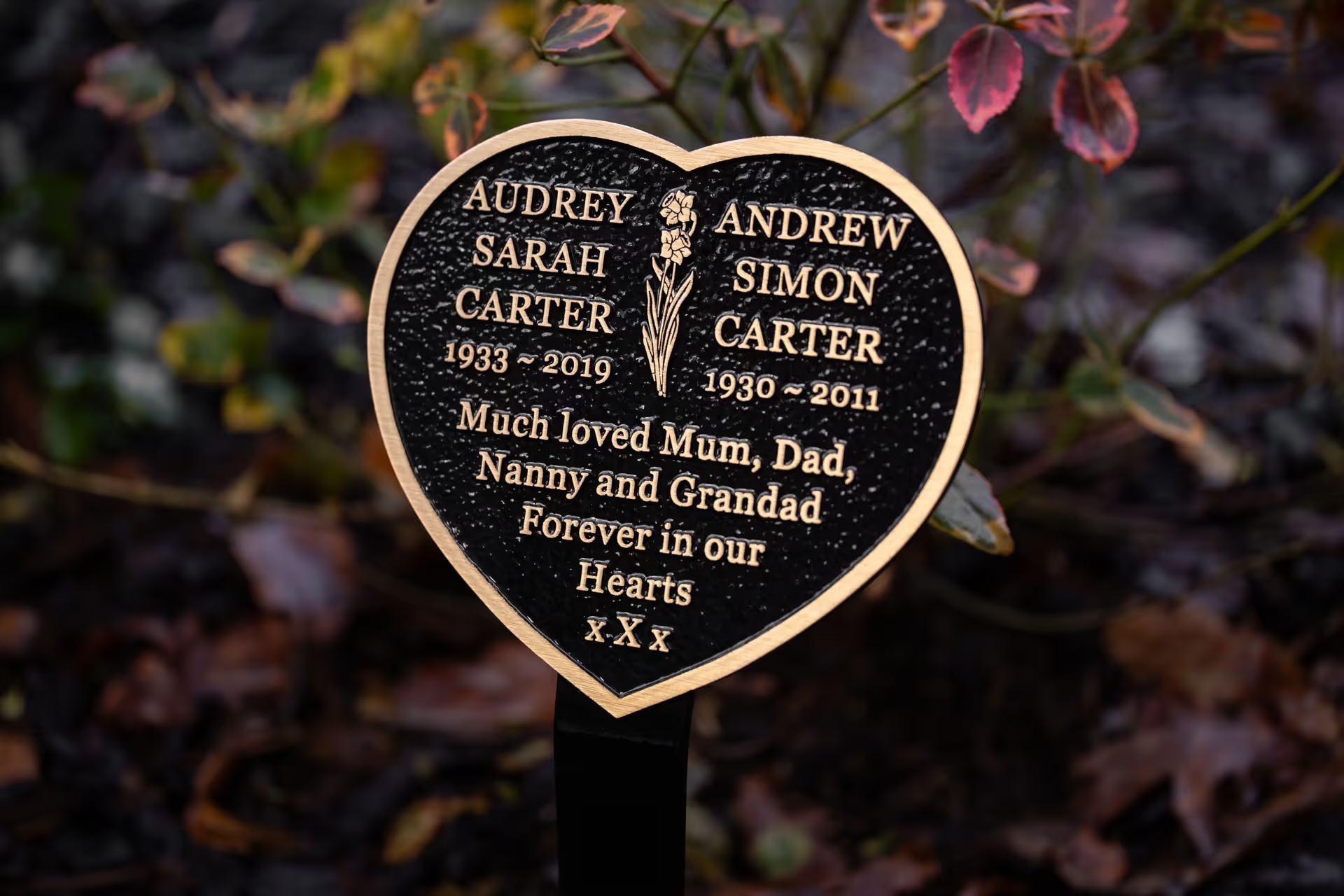
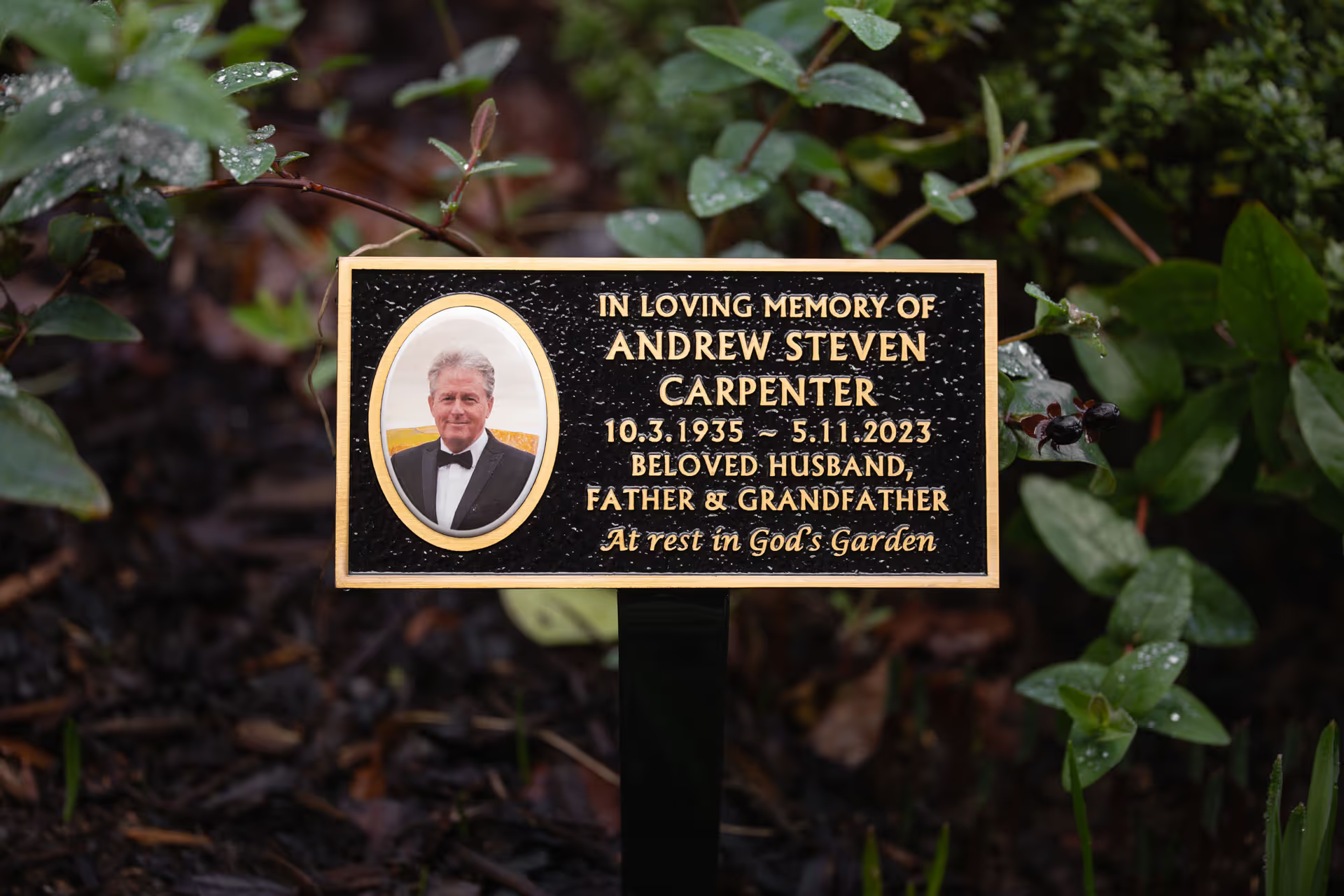
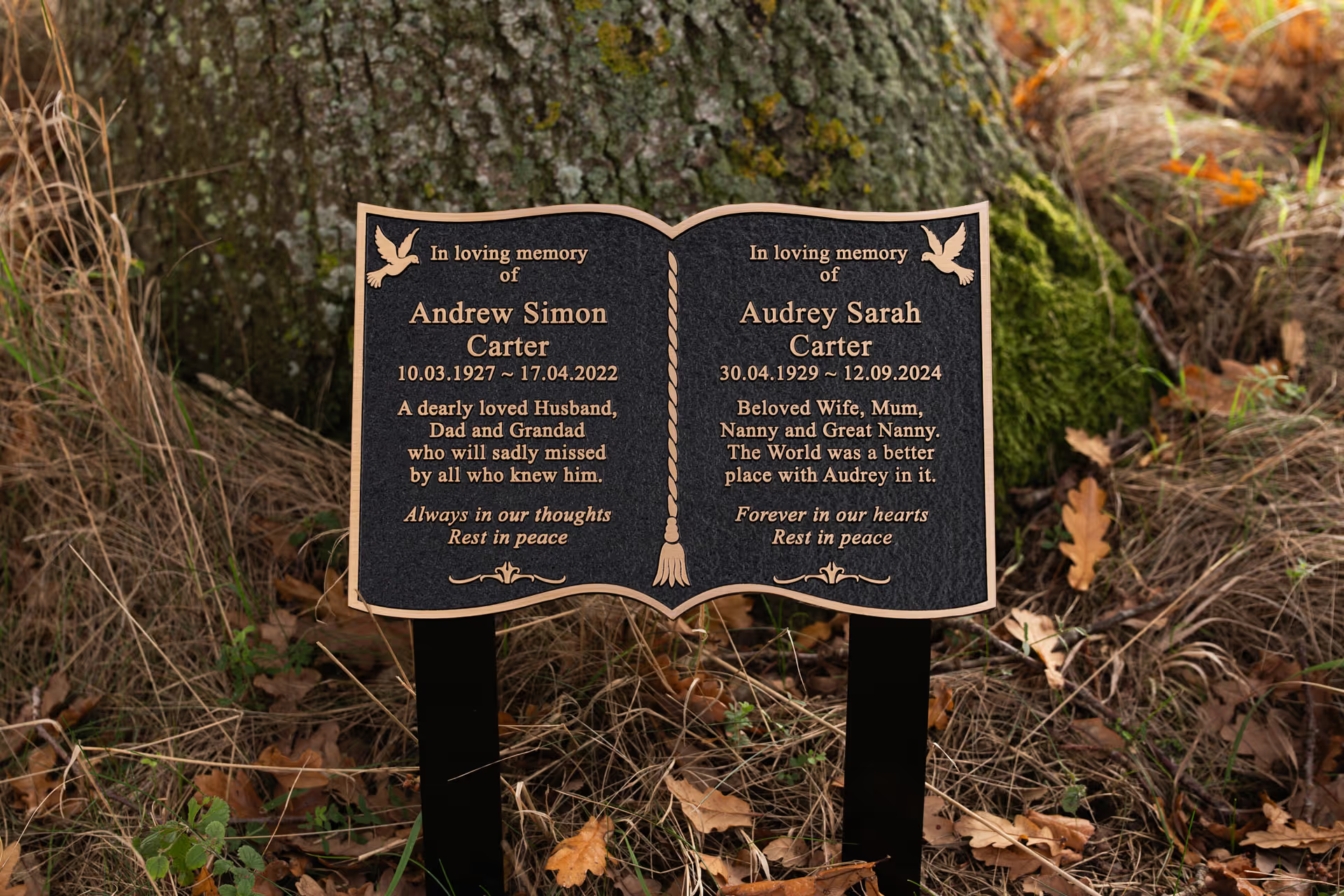


Shapes
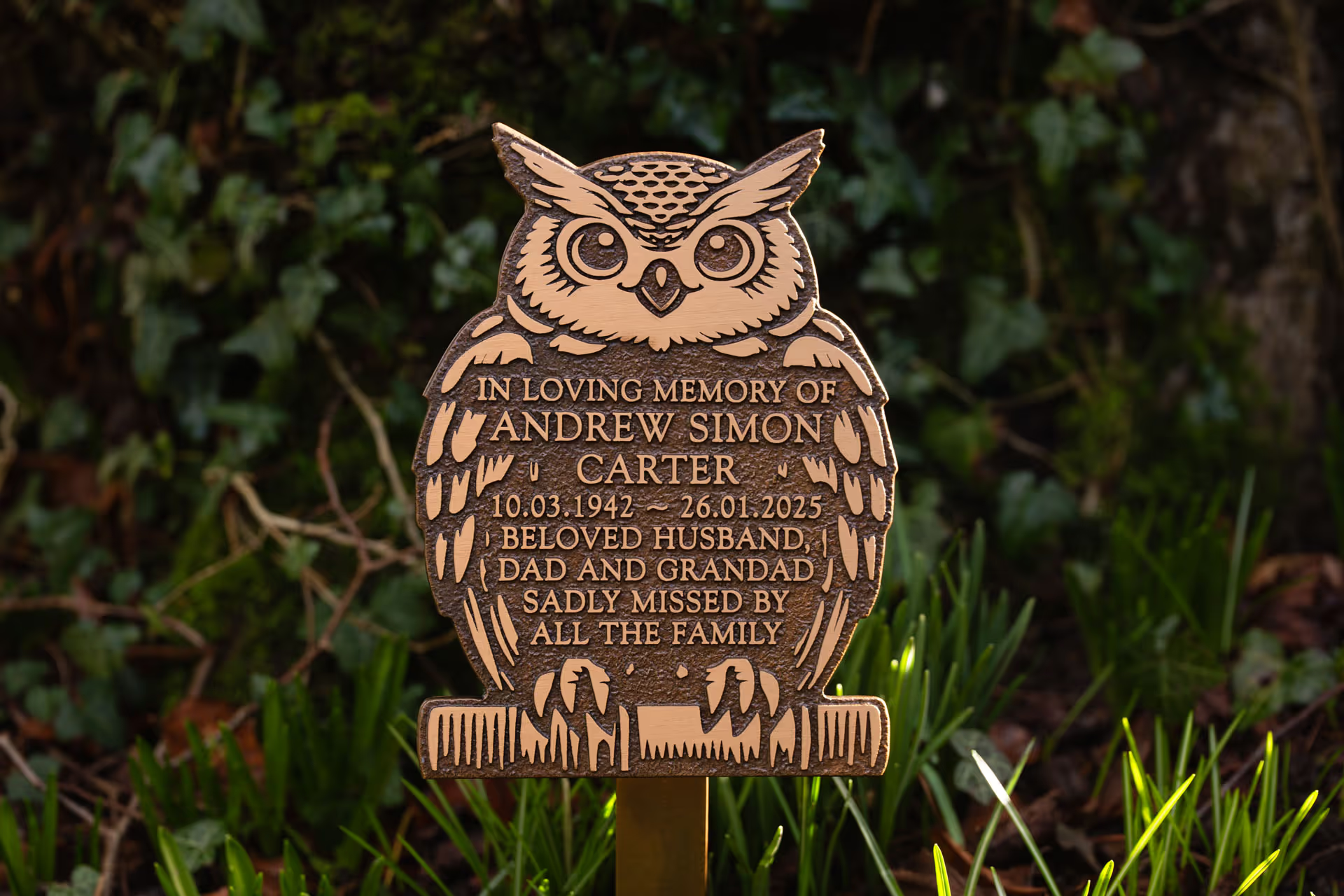
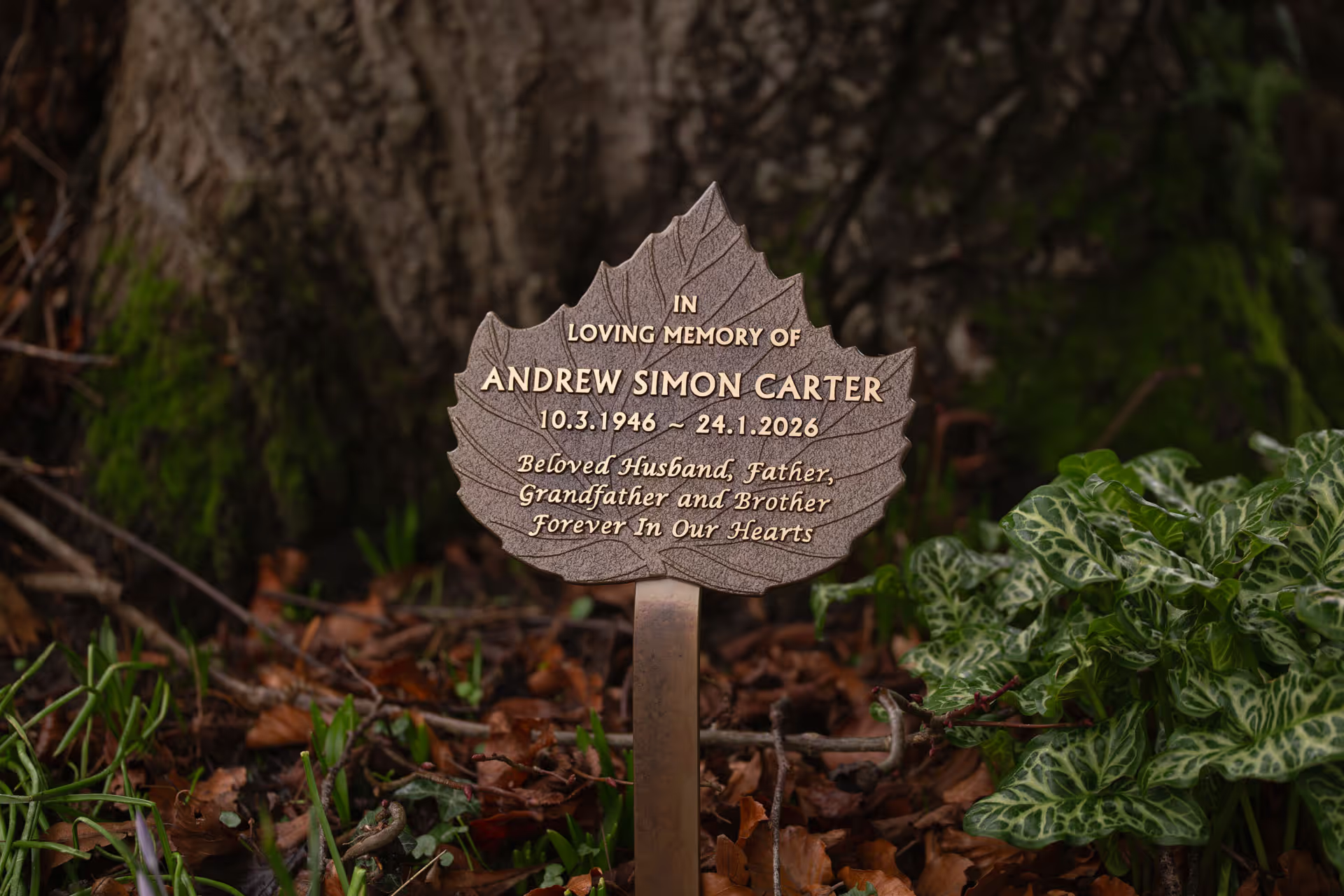
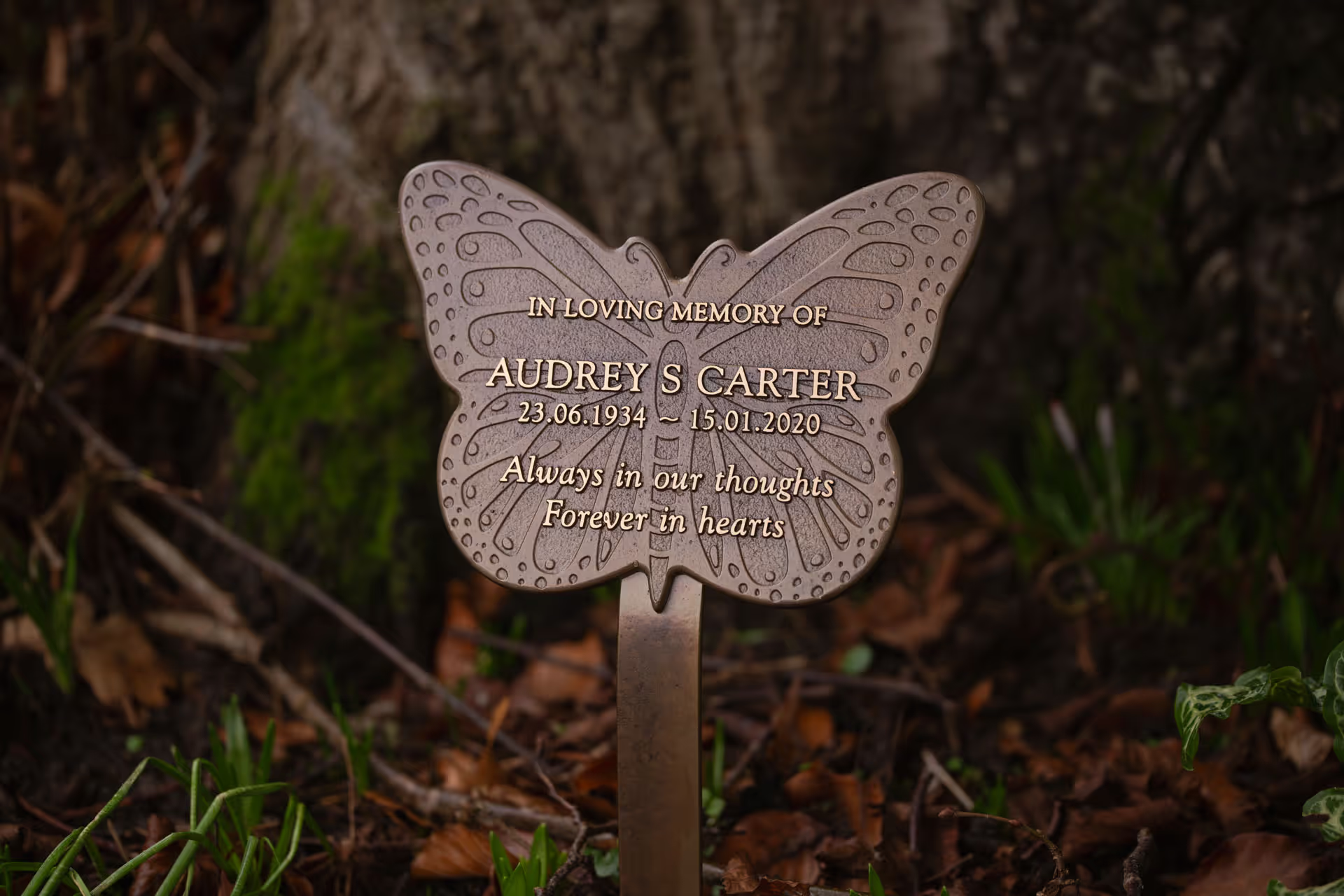
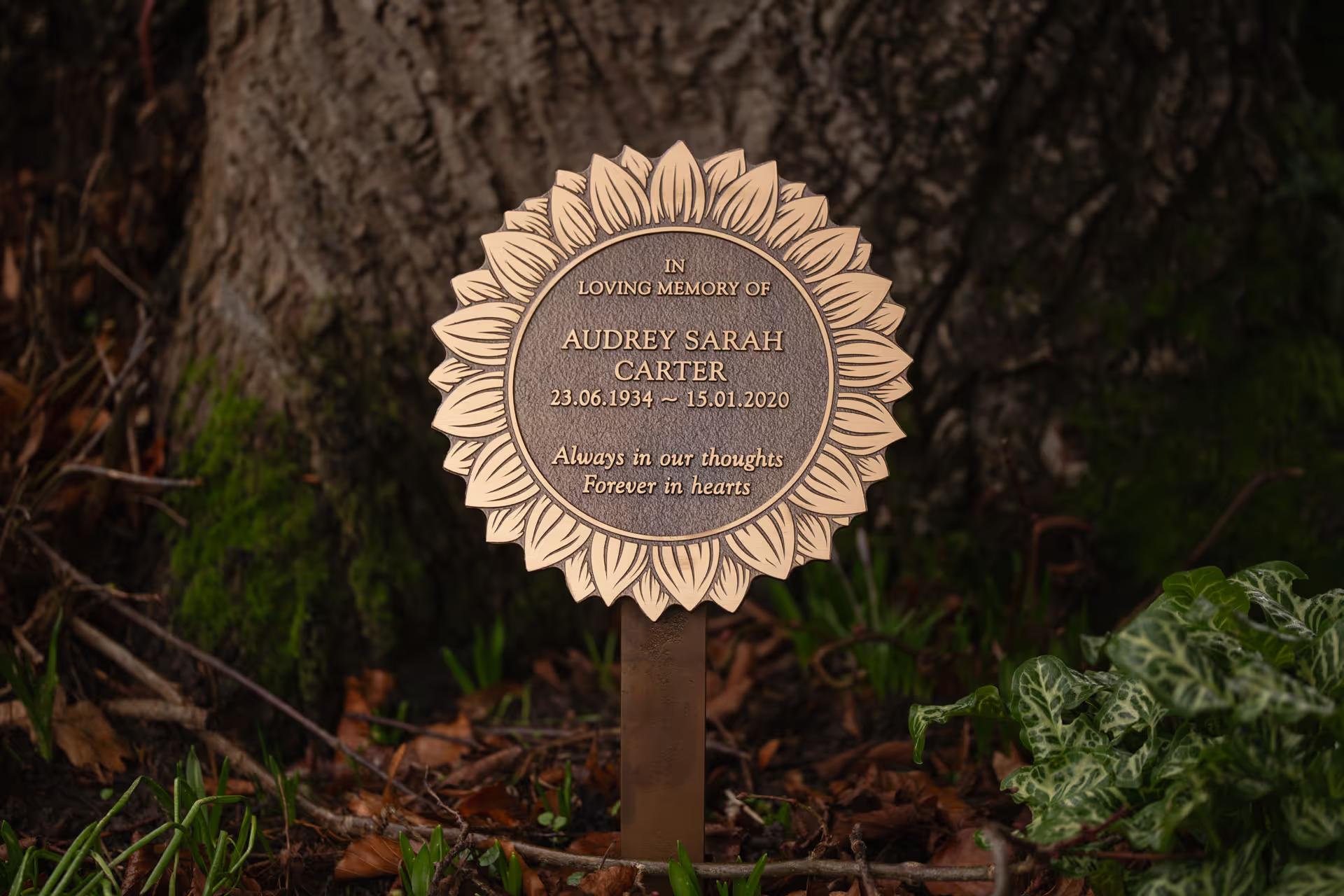
We offer a choice of shapes including:


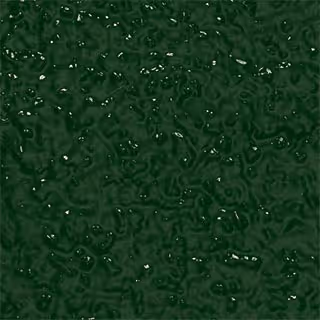
Colours
We offer a choice of 6 standard colours including black, blue, brown, green, maroon and patinated.




Fittings
We offer 3 types of fitting - ground stake, rear studs and countersink holes & screws.
Fonts
The standard fonts we offer but are not limited to are Albertus, Goudy, Lucida and Univers.


Artwork
















Frequently asked questions
Why use bronze to make plaques?

Bronze is the ideal choice for plaques due to its durability and timeless appearance. It withstands the elements, developing a rich patina over time while maintaining its strength. For a more in-depth look at why bronze is the perfect material, check out our detailed blog post.
What are the differences between bronze and aluminum?
Both bronze and aluminium offer excellent durability and are well suited for outdoor use. However, there are some key differences between the two materials in terms of appearance, weight and long-term characteristics. Further information is available in our blog, where these differences are explained in greater detail.
How long does it take to make a cast bronze plaque?
We allow ourselves a maximum of 15 working days from receipt of an approved proof.
What plaque sizes do you offer?
As every plaque we produce is made to order, we are very flexible with the sizes we can offer. Our minimum plaque size is 3 inches by 2 inches, and our maximum size is 24 inches by 18 inches.
How many words can you fit on a plaque?
As a guideline, you can fit approximately 4 characters (including spaces) per inch (25mm) of plaque width and 2 lines of text per inch of height.
Can you add text to an existing plaque?
As each plaque is made from a unique pattern and cast as a single, solid piece, it isn’t possible to add further text once the plaque has been made. However, we can plan for future inscriptions by using an insert plaque. This involves allocating a designated space on a larger plaque, allowing a smaller add-on plaque to be securely fixed at a later date.
Can motifs be added to plaques?
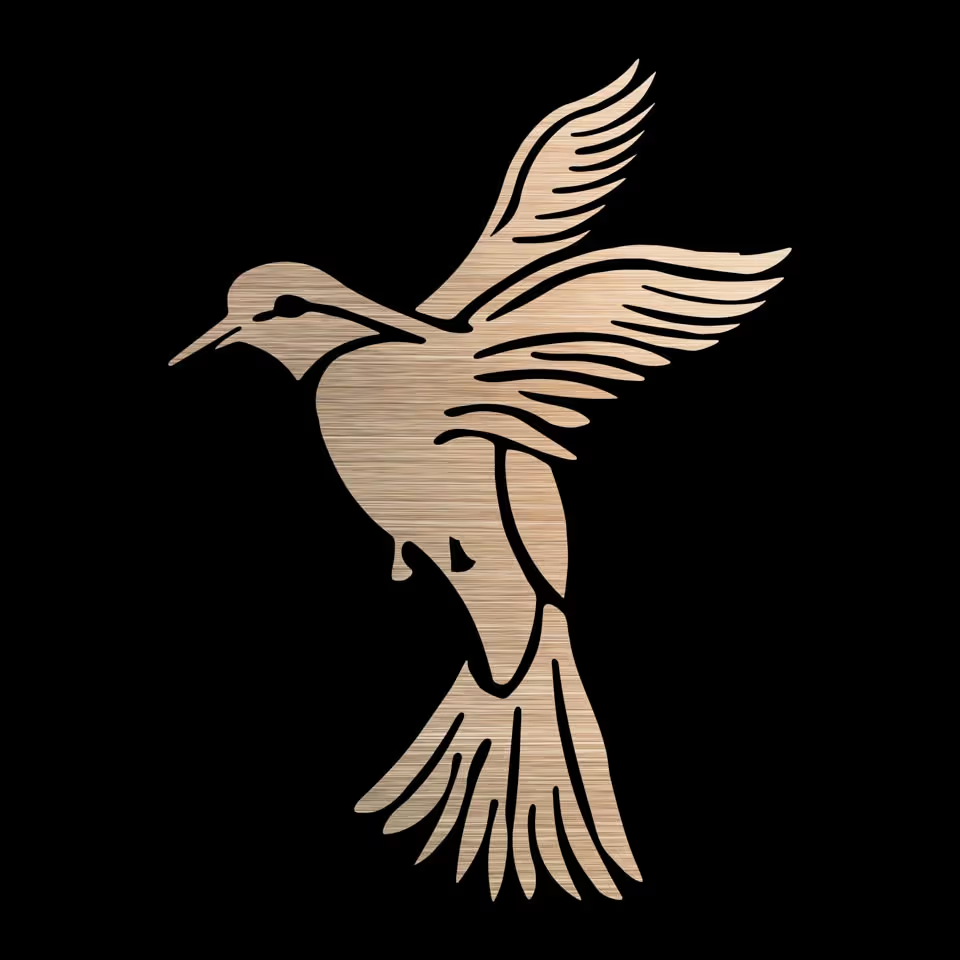
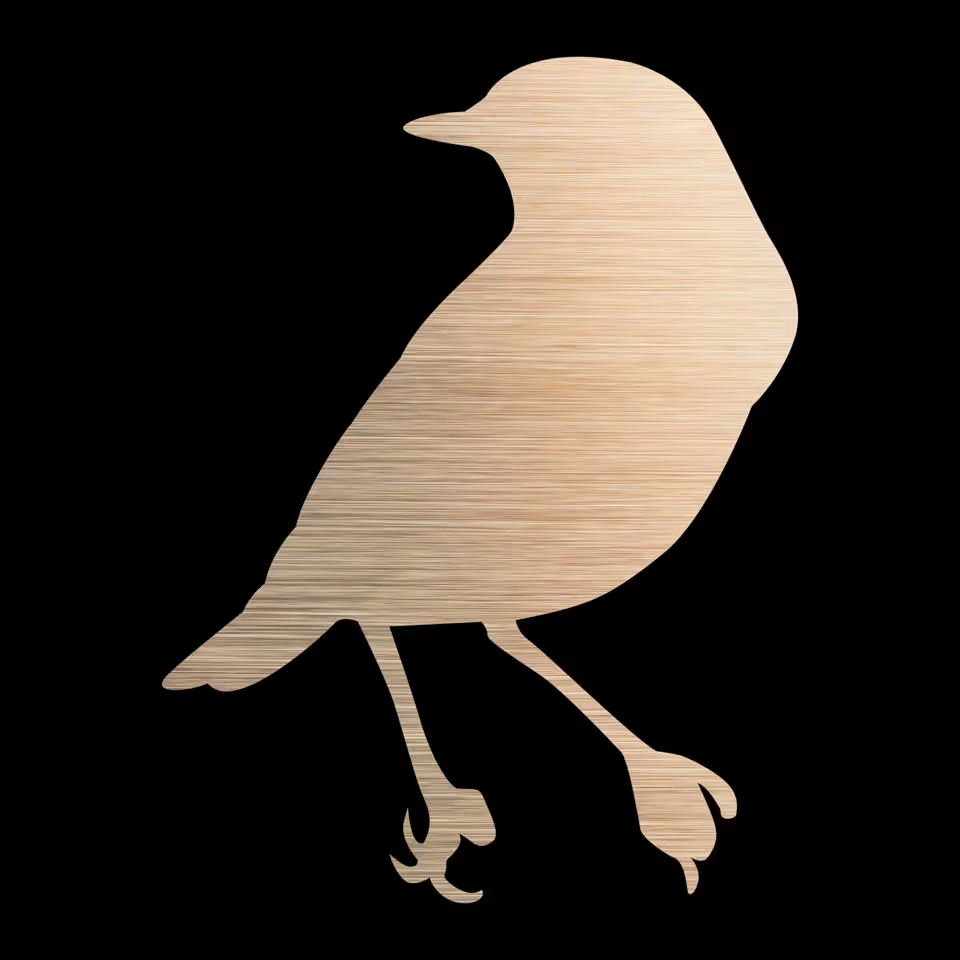
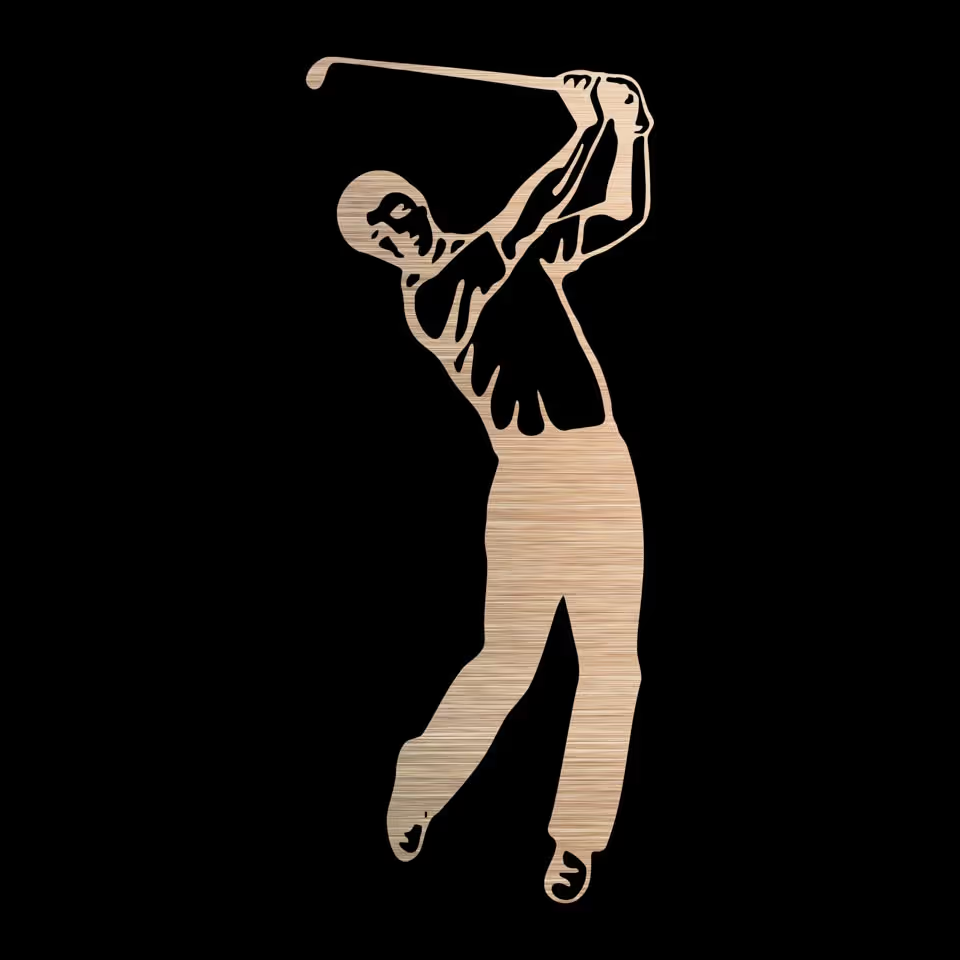
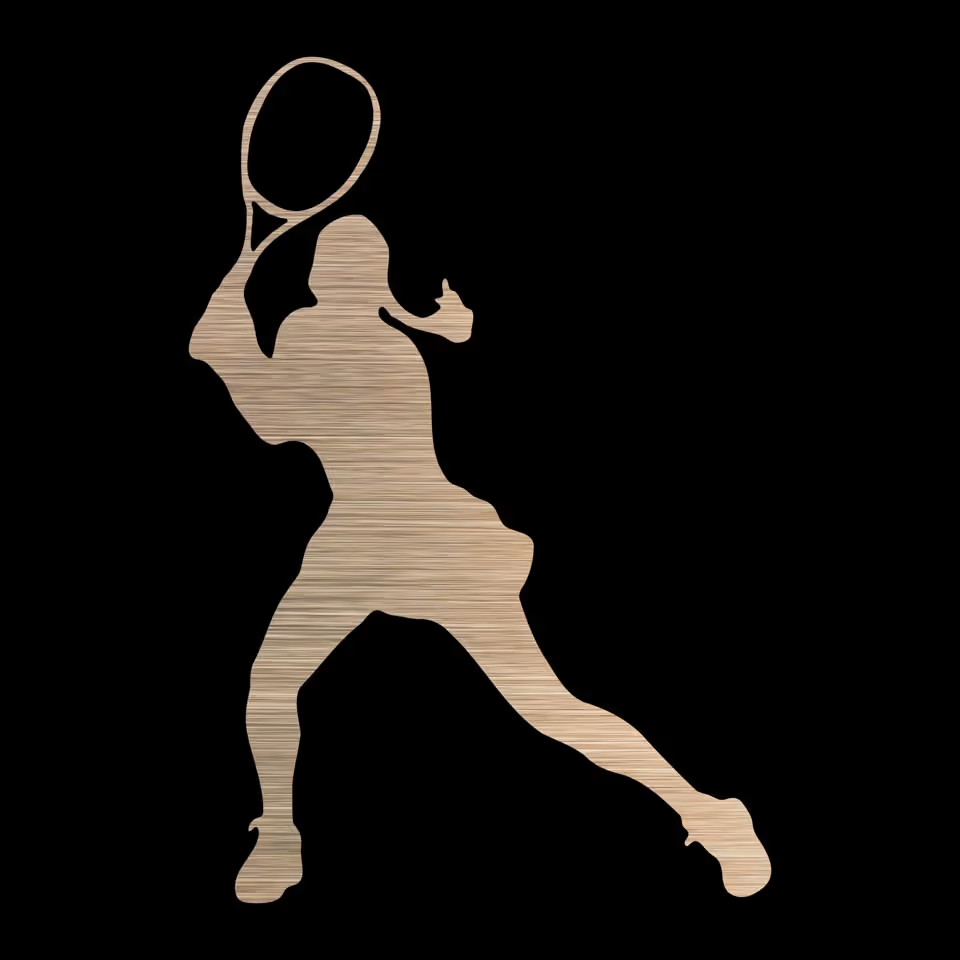
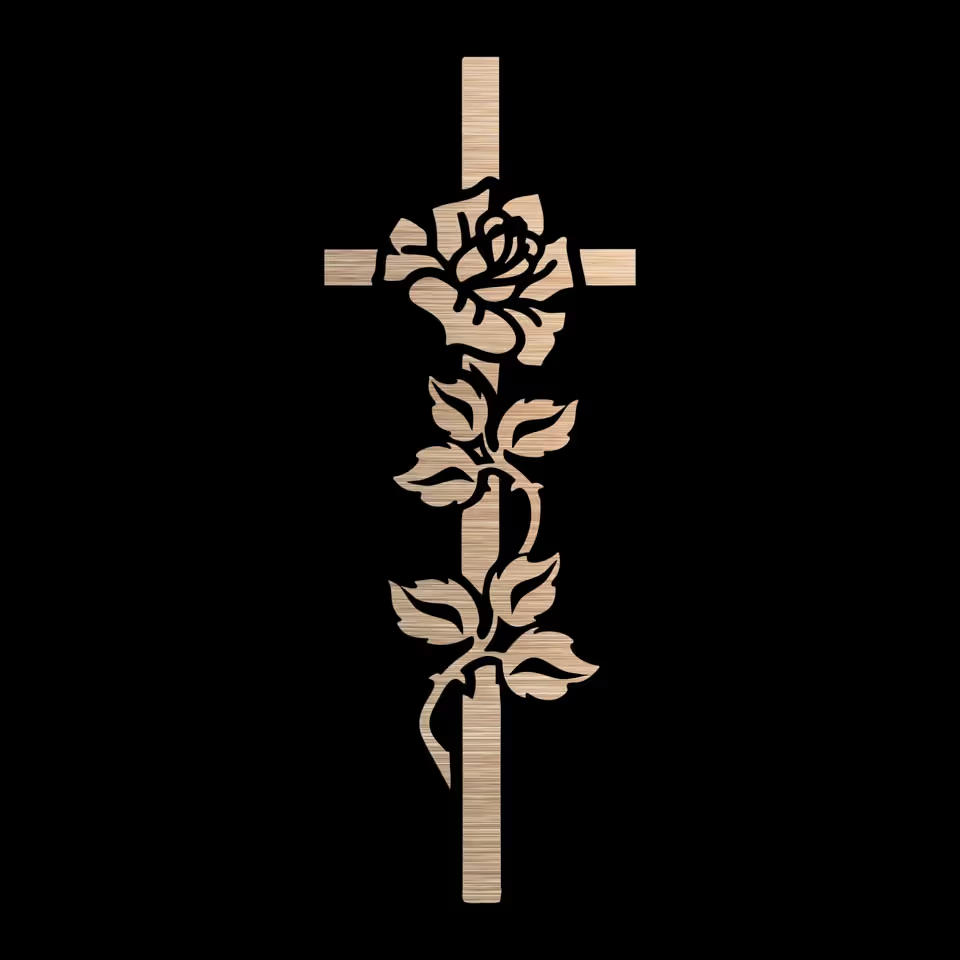
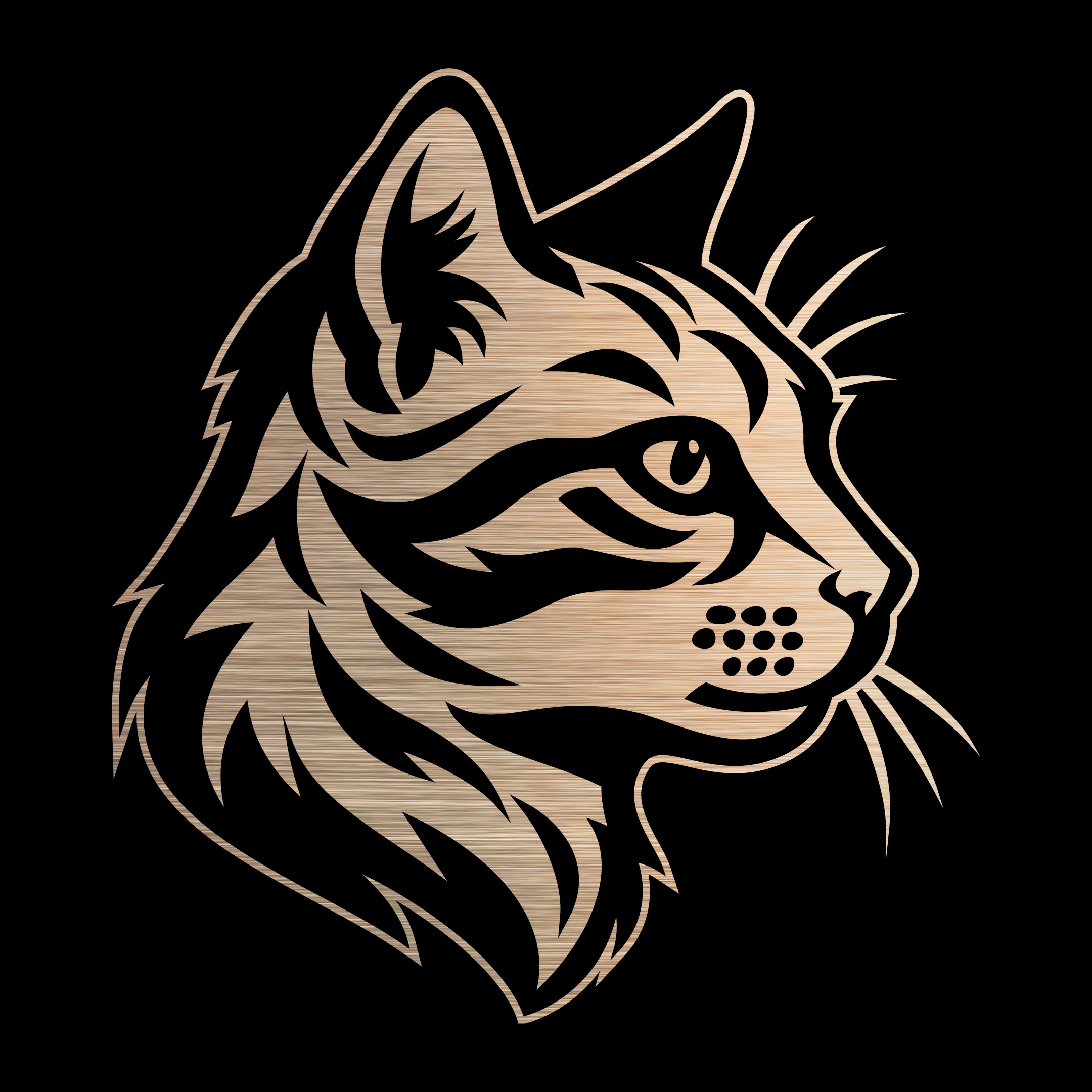
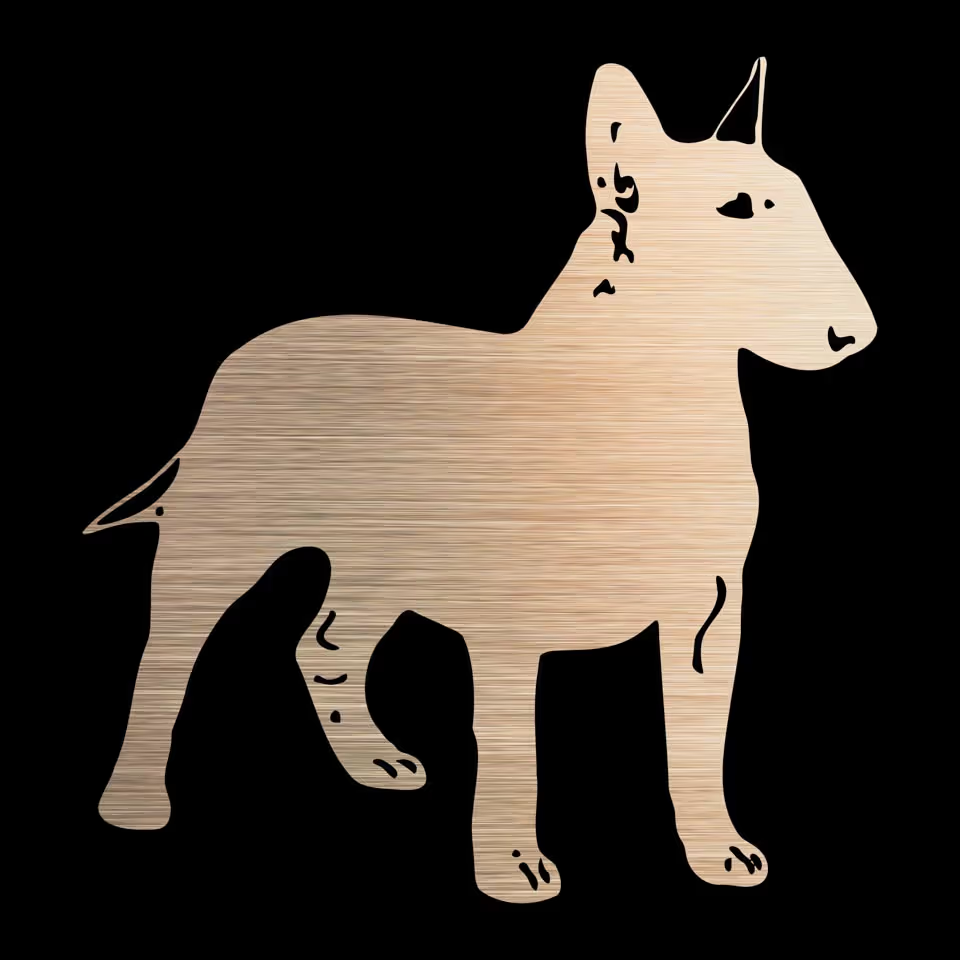
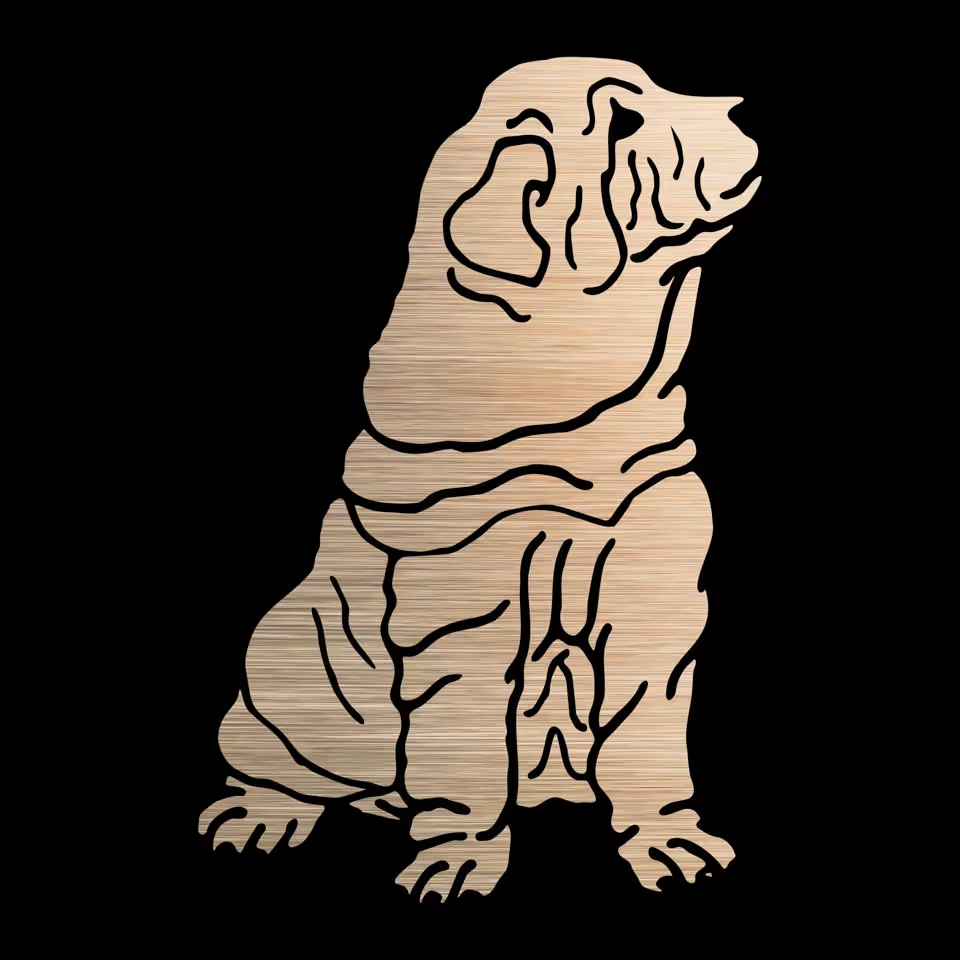
A motif is a small design, drawing or logo that can be used to make a plaque more personal. Motifs can be added to plaques, provided there is sufficient space to accommodate them. We offer a wide selection of motifs, and if you are unable to find exactly what you are looking for, we are always happy to help create a bespoke design. This service is usually provided free of charge, although artwork fees may apply in some cases.
Am I limited to your selection of motifs?
Not at all. Our standard motifs represent only a small selection of what we are able to produce. If you have a specific design in mind, we would be happy to discuss it with you. You are welcome to call or email us with your ideas, and if you have a drawing or reference image, sending this across will help us bring your design to life. While an exact reproduction cannot be guaranteed in every case, we are able to achieve this in the vast majority of projects. This service is usually provided free of charge, although artwork fees may apply in some instances.
Can motifs be a different colour?
No. Motifs are finished in the same way as the lettering and appear in the natural colour of the metal.
What colours are available?
Our standard finishes are black and brown. However, we also offer a wide range of alternative colours, including blue, green, maroon, purple, gunmetal grey, FX black, glitter bronze, as well as a patinated finish.
Do you offer painted letters?
We do not offer hand-painted lettering, as this would detract from the natural qualities of a metal plaque. Instead, our process involves powder-coating the plaque in the chosen colour and then carefully sanding back the tops of the letters to reveal the bare metal beneath. A protective lacquer is then applied to seal and protect the exposed metal.
What is patination?
Patination is the natural or intentional process of developing a thin, coloured and often protective layer of oxidation, known as a patina, on the surface of the metal. It provides a very traditional appearance and is particularly suited to cast bronze plaques. Please note that patination is only available on our bronze plaques and cannot be achieved on aluminium. Further information is available on our blog.
What is lacquer?
Lacquer is a hard, protective coating applied to the plaque at the final stage of production. It helps protect the lettering from oxidising and ensures a more durable finish over time. Lacquer is available in either a gloss or matt finish, and our team will be happy to advise on the most suitable option for your requirements.
What is a ground stake?
We hear many names for this type of fitting from our customers, including stick, spike and leg. We refer to it as a ground stake. A ground stake is a metal spike attached to the back or base of a plaque, often cast as a single, solid piece. It allows the plaque to be securely anchored directly into soil, turf or flowerbeds, providing a freestanding, low-maintenance and movable mounting solution for grave markers, memorial trees or garden plaques.
What is the difference between a cranked ground stake and a straight ground stake?
We offer two types of ground stake: cranked and straight. A cranked ground stake is bent at the base of the plaque so that the plaque face sits at a slight angle. This makes the plaque easier to read when installed in the ground. This option is only available on bronze plaques, as aluminium cannot be bent without risk of breaking. A straight ground stake is left unbent, so the plaque face remains upright rather than angled. This is the only option available for aluminium plaques fitted with a ground stake.
How long are the ground stakes you offer?
The length of the ground stake is matched to the size of the plaque to ensure stability when installed. Plaques up to 8 inches by 5 inches are fitted with a 12 inch ground stake. For larger plaques, 16 inch and 18 inch ground stakes are available.
Do you supply screws for plaques with drilled holes?
Yes, we supply dome head screws with all plaques that have drilled holes. The screw heads are powder-coated to match the plaque background, ensuring a discreet and unobtrusive finish once fitted.
What are rear studs?
This type of fitting involves the plaque being drilled and tapped to receive a set of threaded rods. These studs are then carefully pressed into pre-drilled holes and secured with adhesive.
How do you install a plaque with rear studs?
Installing a plaque with rear studs is straightforward and provides a very secure fixing. We have a helpful installation guide that explains the process step by step.
What size rear studs do you offer?
We offer rear studs in a range of sizes, from 4mm to 8mm in diameter, to suit different plaque sizes. Unless you have a specific requirement, our team will select the most suitable stud size and quantity for your plaque. This is typically between two and four rear studs, depending on the plaque’s size and thickness.
What is a plain back fitting?
A plain back fitting is a simple option for mounting smaller plaques to a wall or kerb. The reverse of the plaque has a smooth, flat finish, allowing an adhesive or resin to be applied directly for fixing.
What adhesive or resin should be used to mount plain back plaques?
A range of suitable adhesives can be used to fix plain back plaques, including construction adhesive, silicone sealant or a two-part epoxy. We recommend using Rawlplug R-KEM II Styrene-Free Polyester Resin, which is also suitable for securing plaques with rear studs.
What is the difference between a smooth and mottled background?
We offer two types of background texture: smooth and mottled. Each finish has its own character and visual appeal, with the choice largely coming down to personal preference and cost. A smooth background is slightly more expensive than a mottled finish. Further information is available on our blog, where the differences are explained in more detail.
Are the letters raised or engraved on your plaques?
Our plaques are cast, which means the lettering is produced in relief and stands raised from the background. This ensures excellent durability and clear readability for many years.
Do you offer engraving?
We do not offer engraving, as it is a different process to the way our plaques are manufactured. All of our plaques are cast, which results in raised lettering that offers excellent durability and long-term readability.